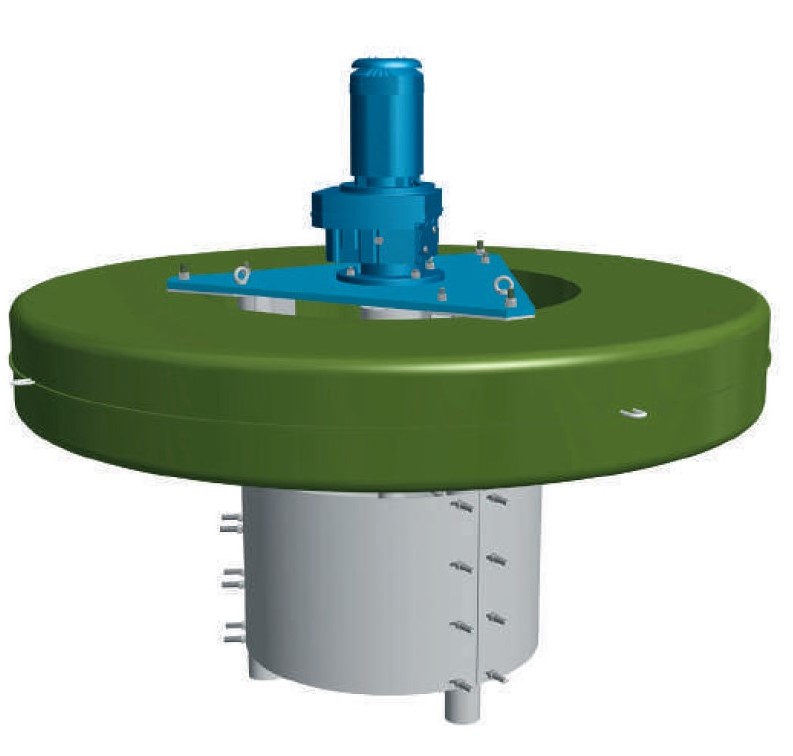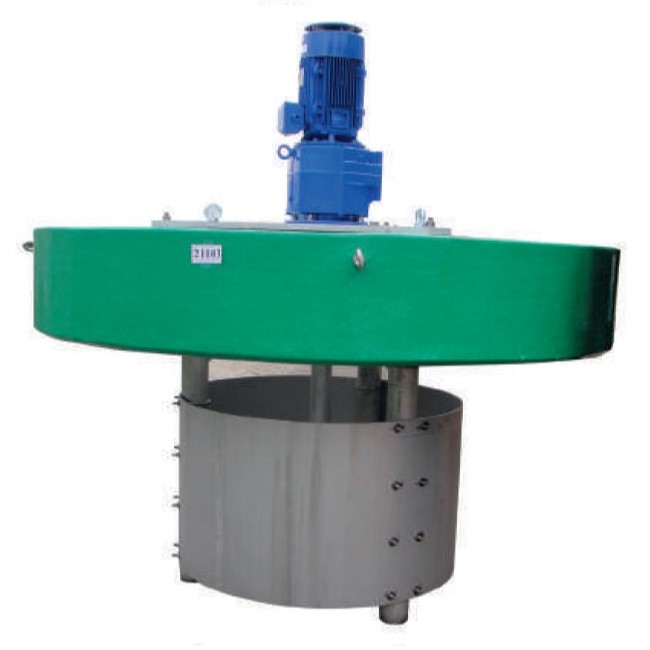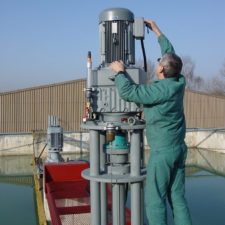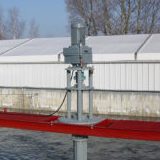


A surfces aerators : a stream of fresh air
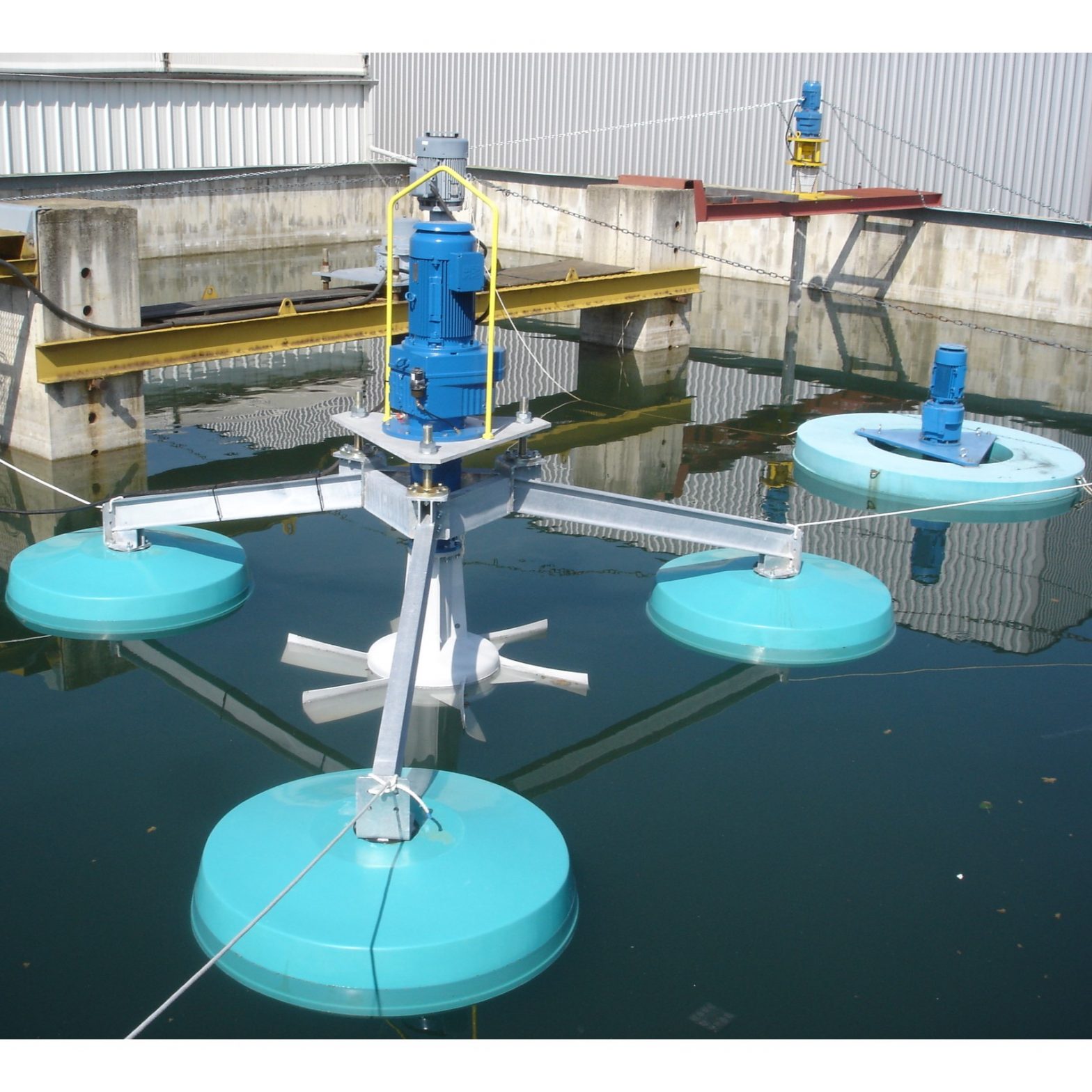
42 years ago, TMI produced its first machine, a surface aerator. Today, despite new technologies and techniques for providing oxygen in water treatment, we continue to offer you this reliable and durable technology.

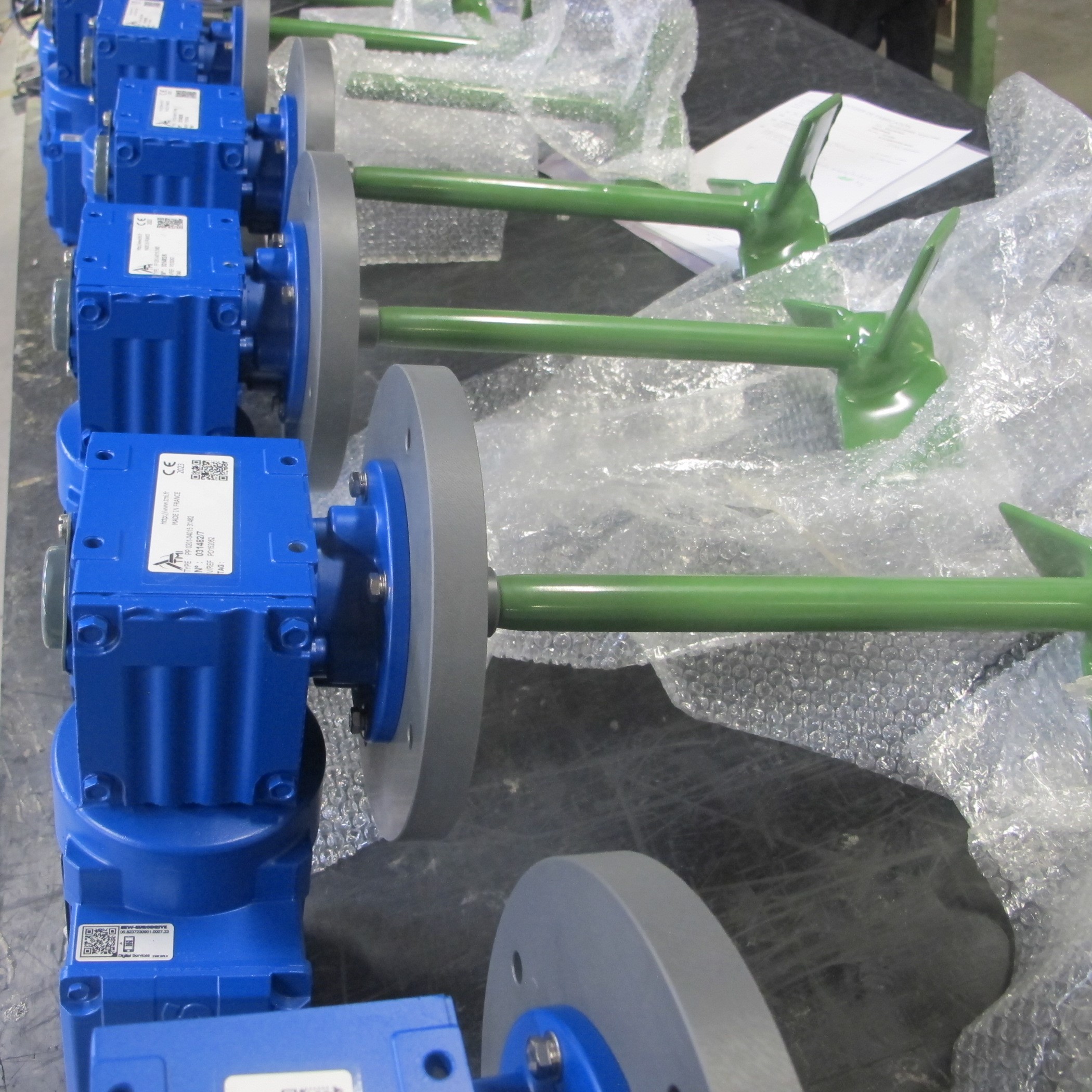
Standard stainless steel agitators may not be rugged enough for applications in highly aggressive environments. Highly advanced coatings are required, and must be compatible with the product being processed. We off er a full range of tailored coating solutions.

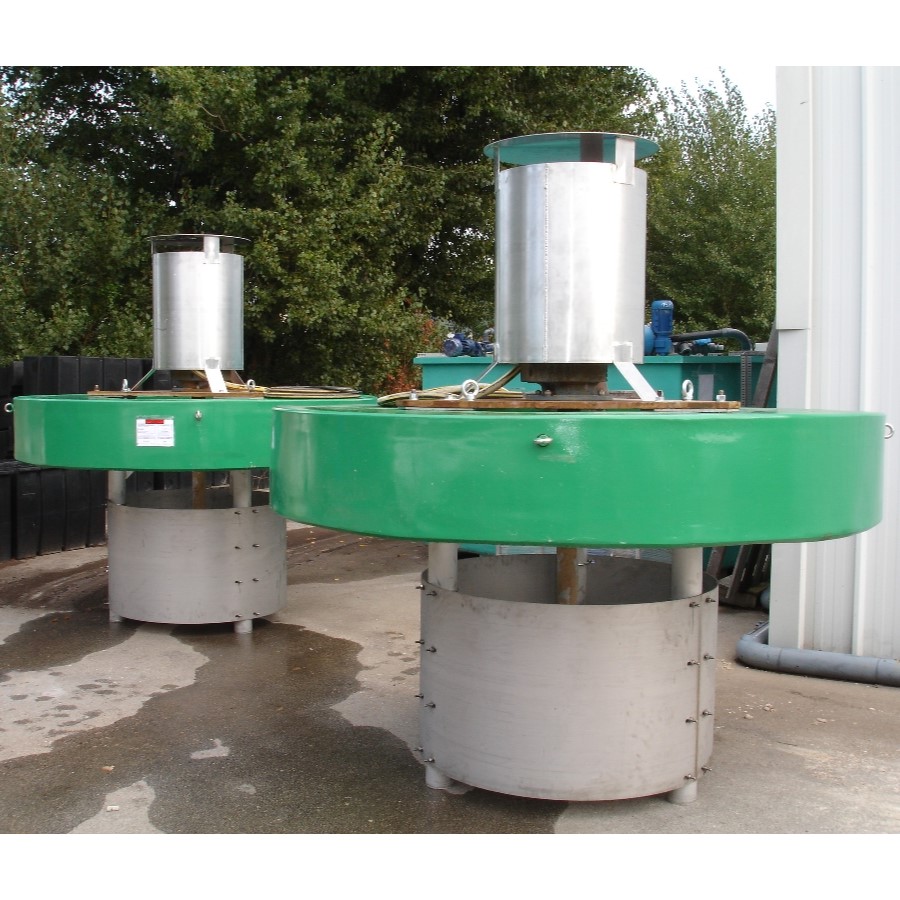

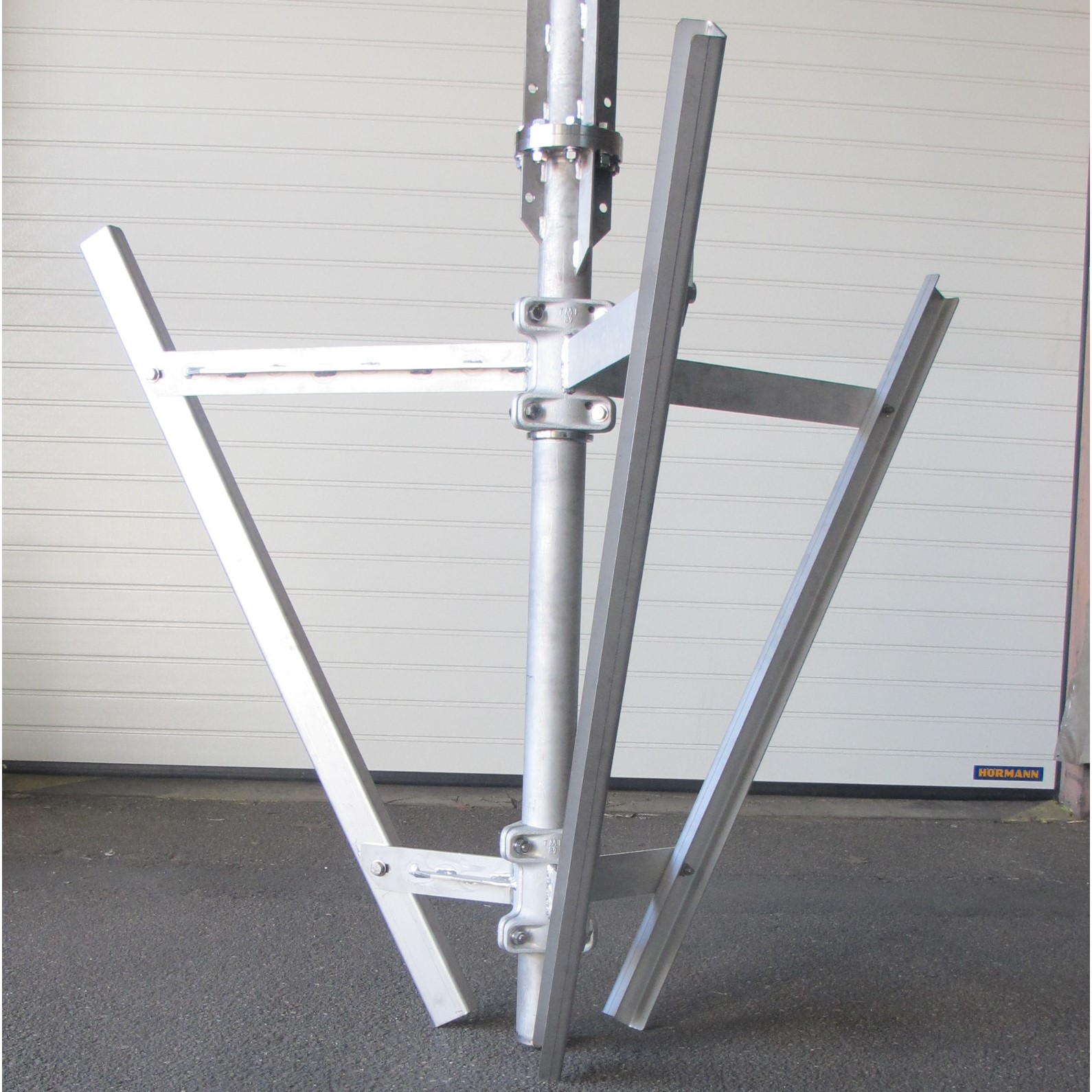
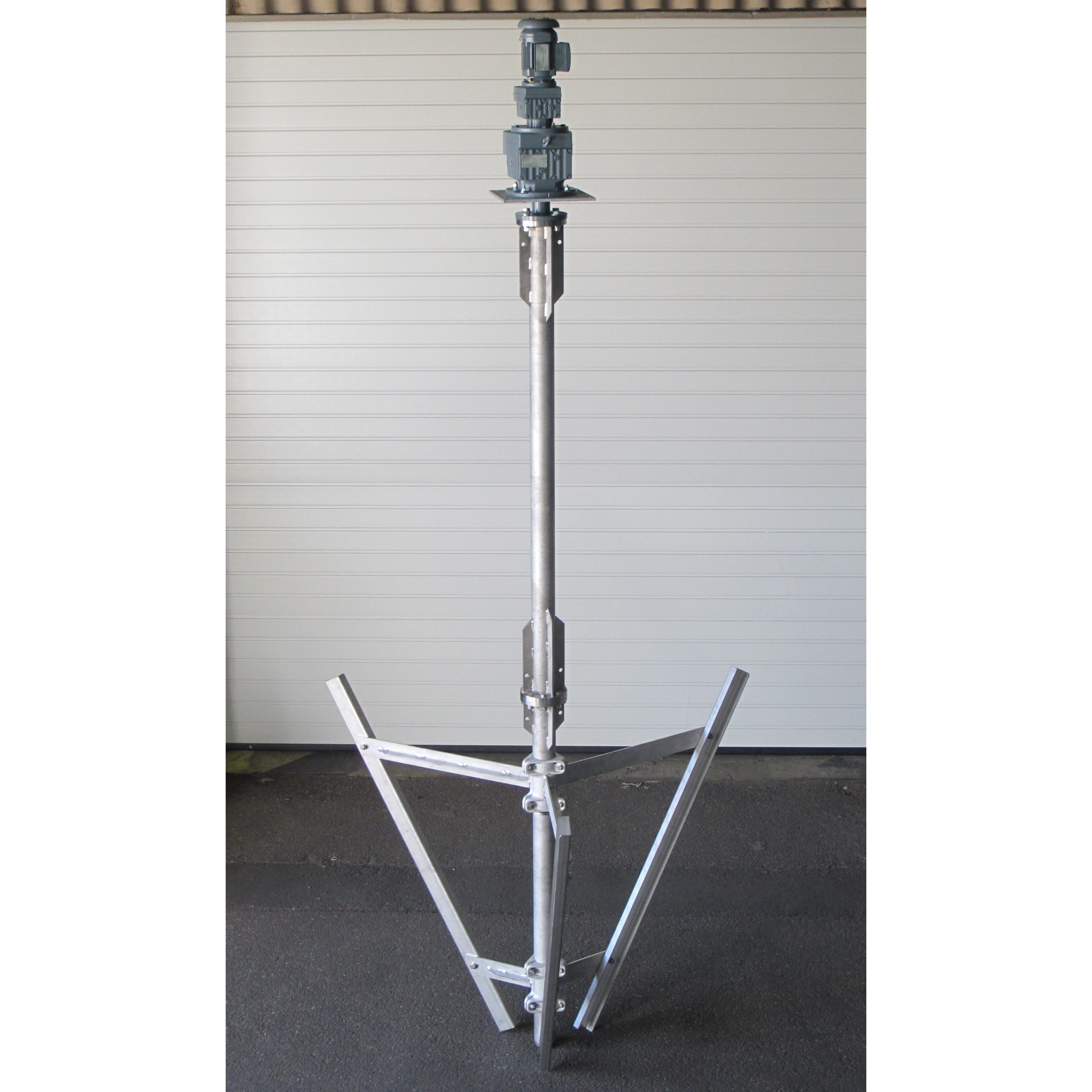
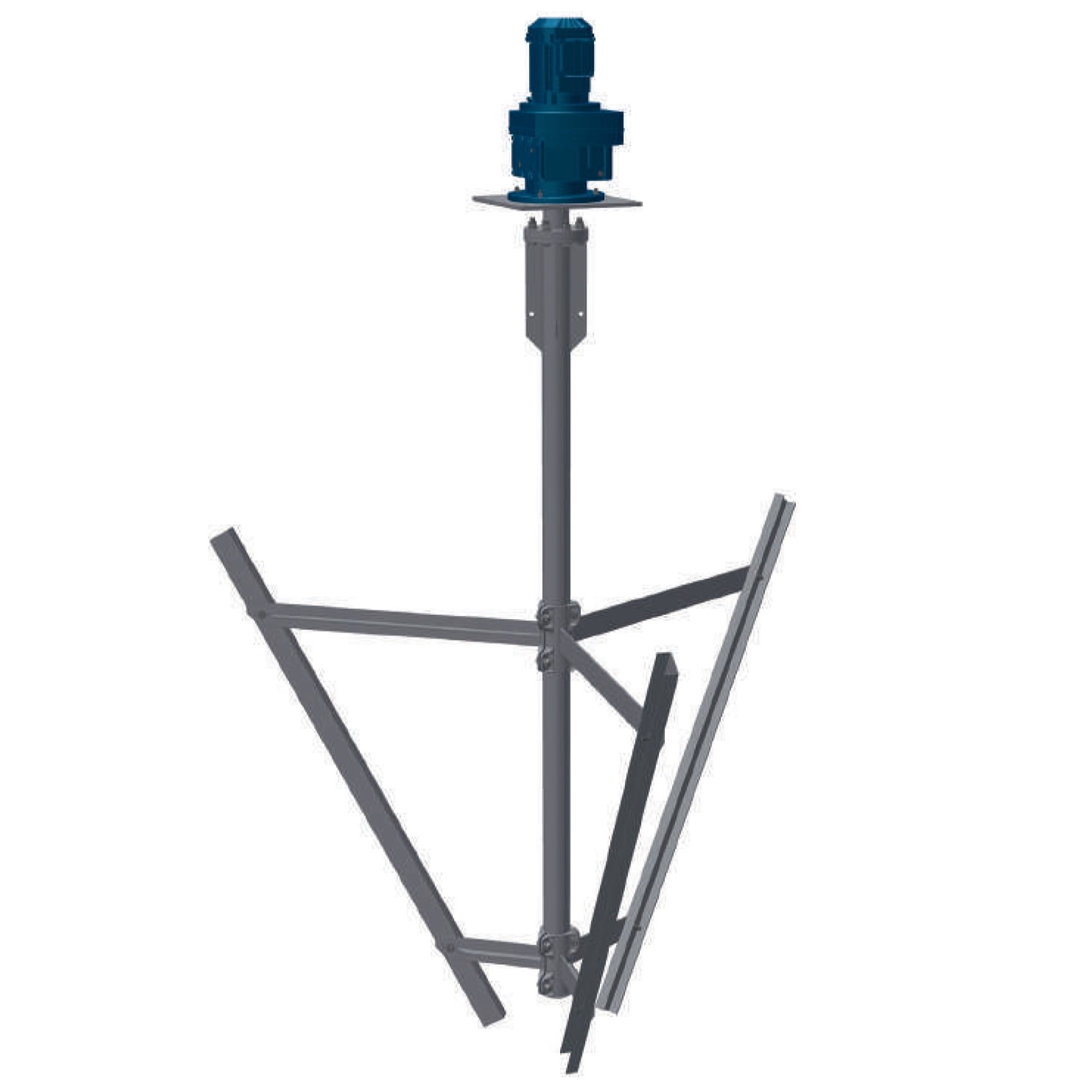
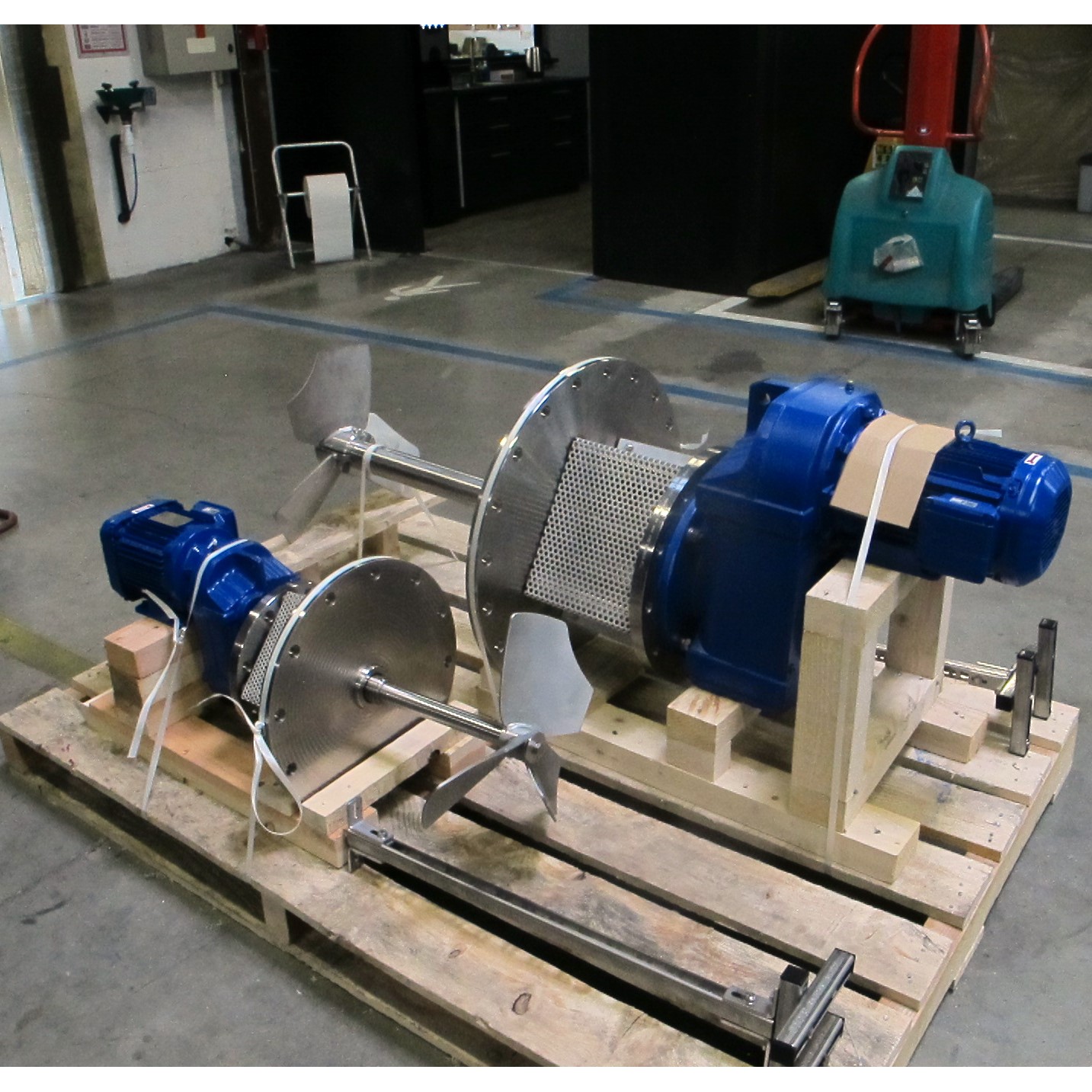
They consist of paddles screw-mounted to the shaft, which is connected to the gear drive by a fl ange and mating fl ange assembly. The scrapers adapt to any shape and diameter of fl at or pitched tank fl oor. Their low rpm allows tines to be added to the centre to separate sludge from the water more easily, causing high-density matter to fall to the bottom and the water to rise. The tines signifi cantly increase the performance of the scraper.
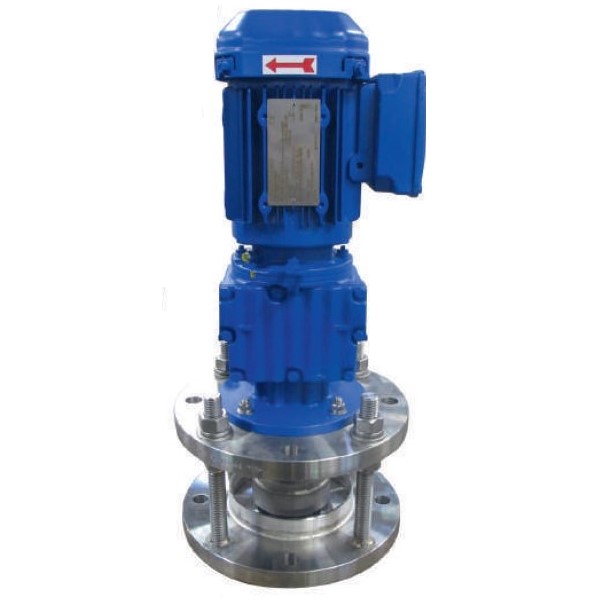
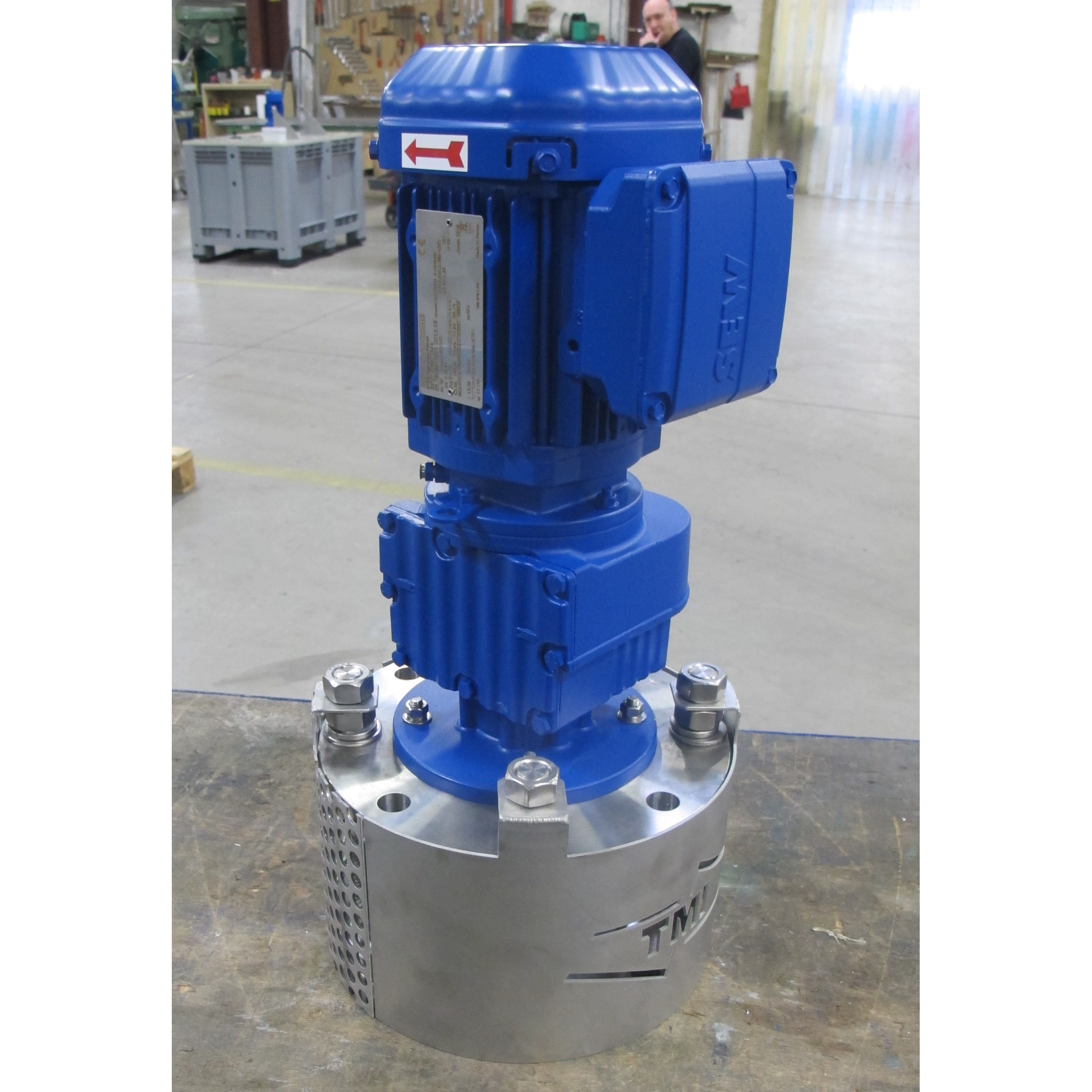
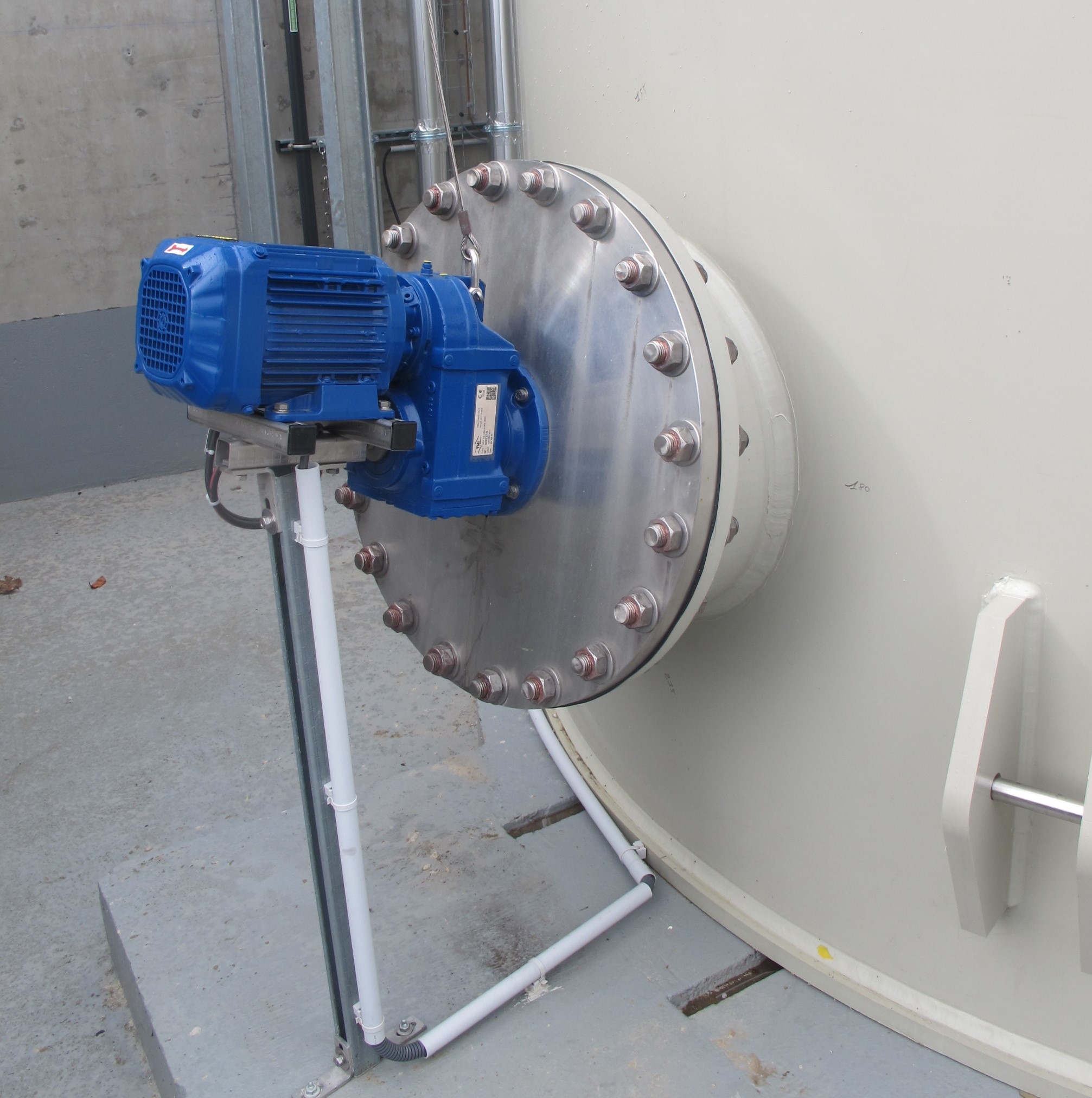
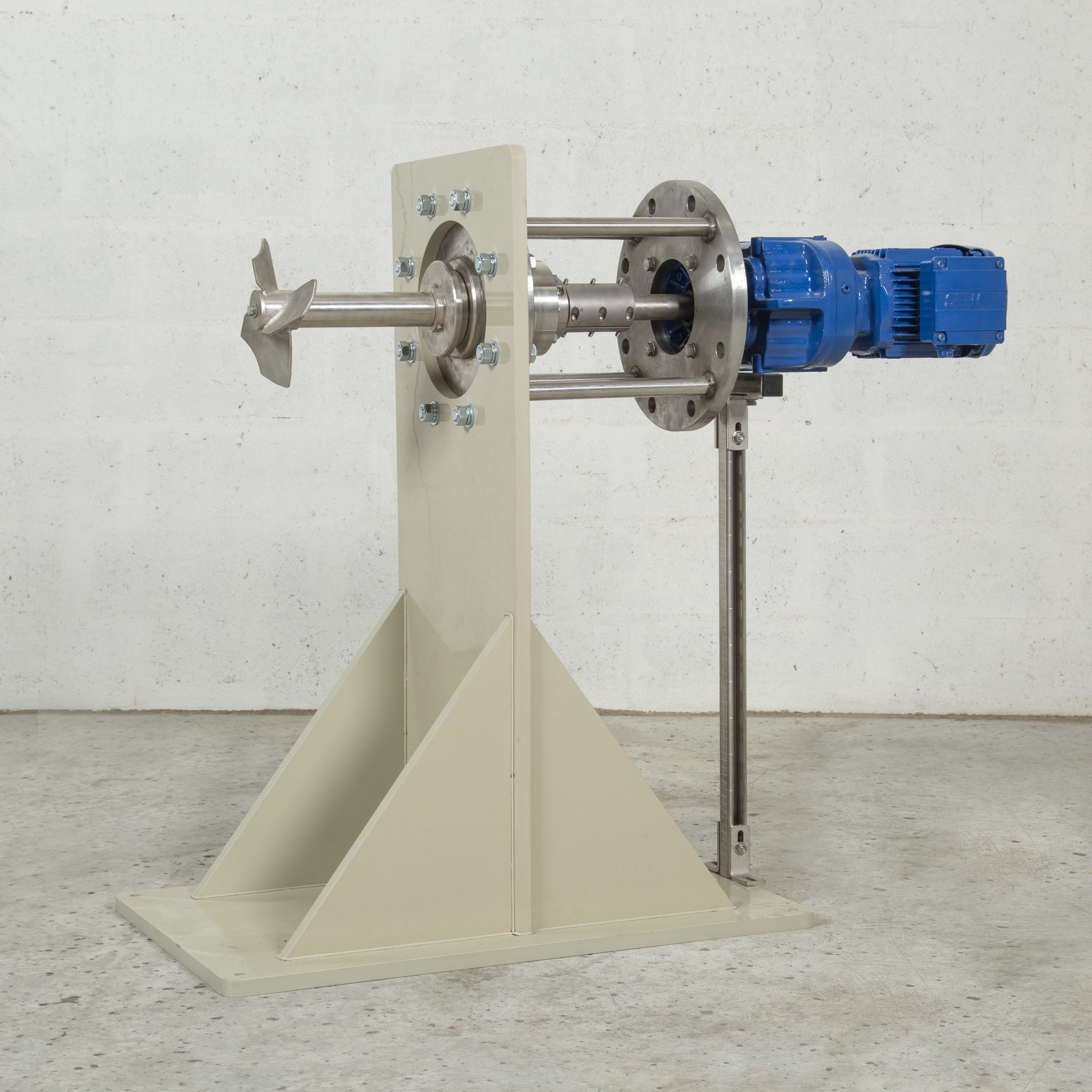
Coupling boxes maintain the axial alignment of the through-tank unit. They can include roller bearings, lubricators and rotation sensors. The seal is provided either by a stuffi ng box or a mechanical seal, or by both simultaneously.

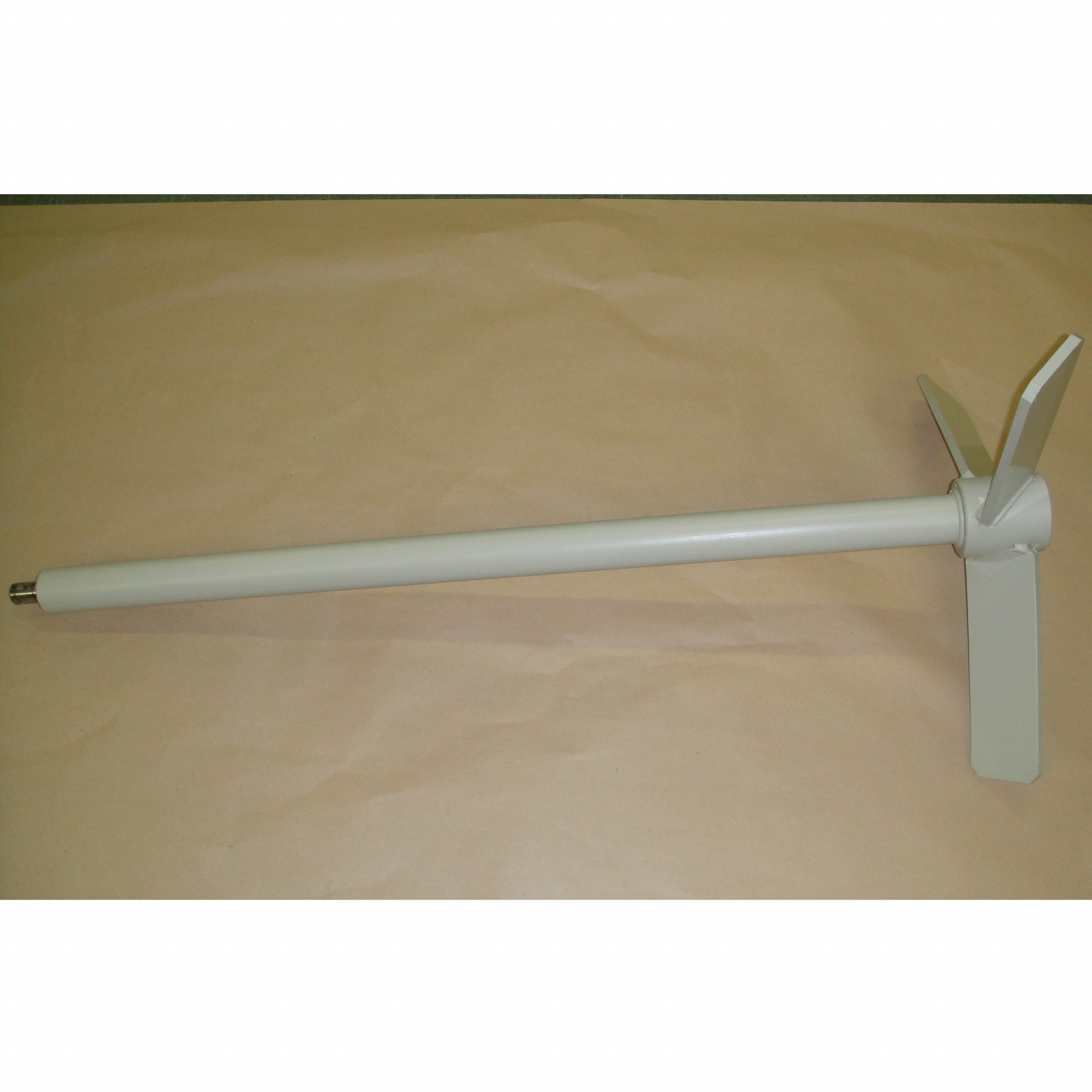
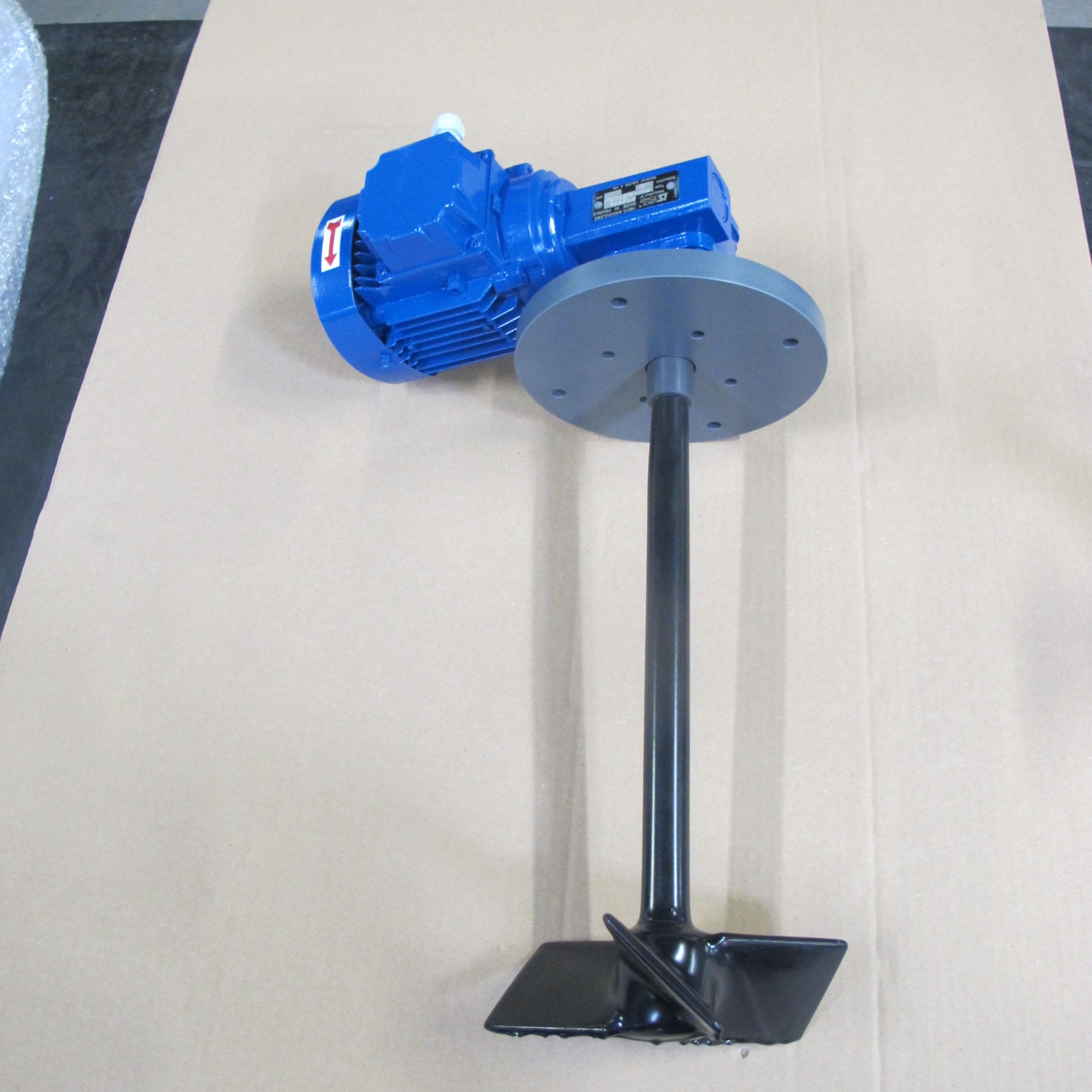
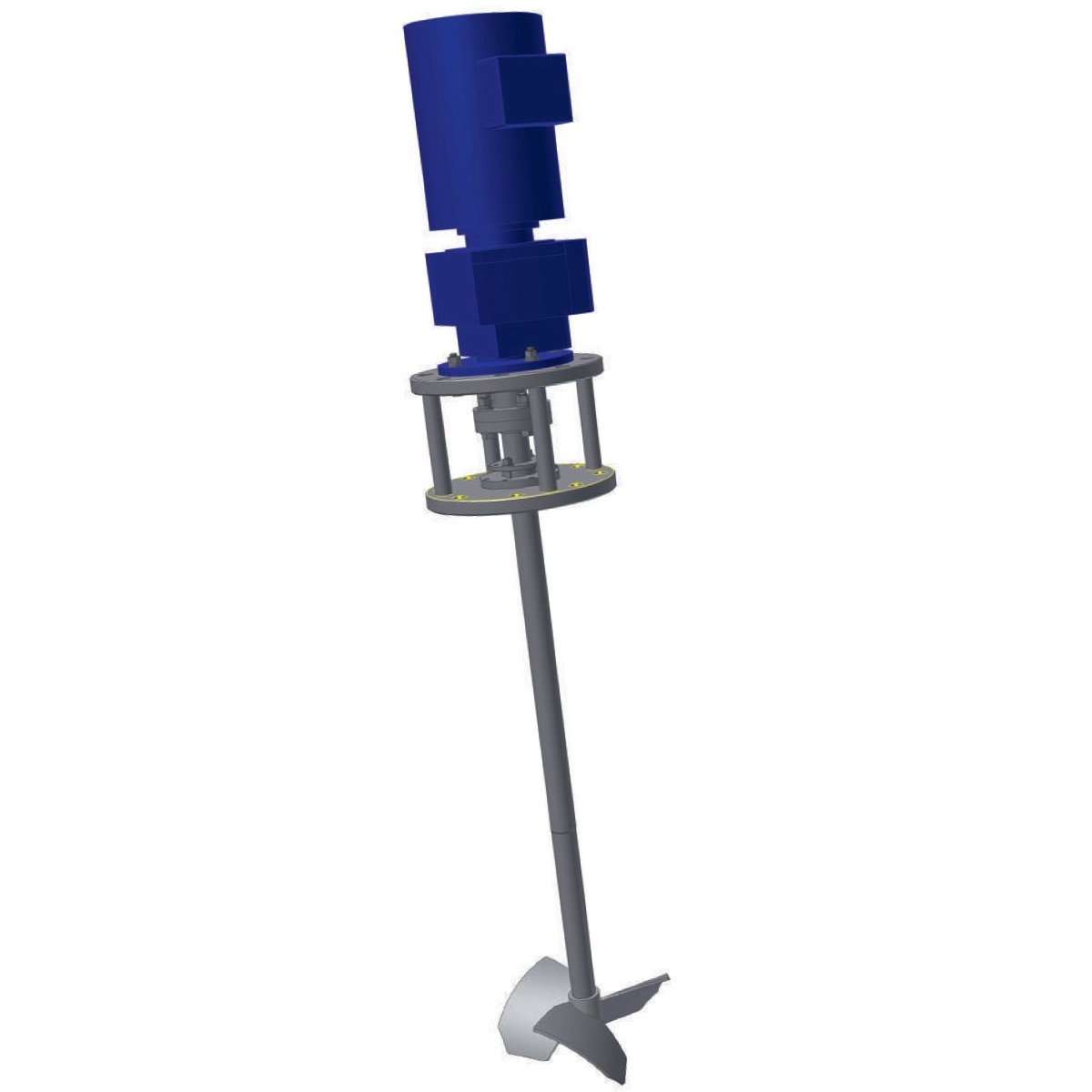
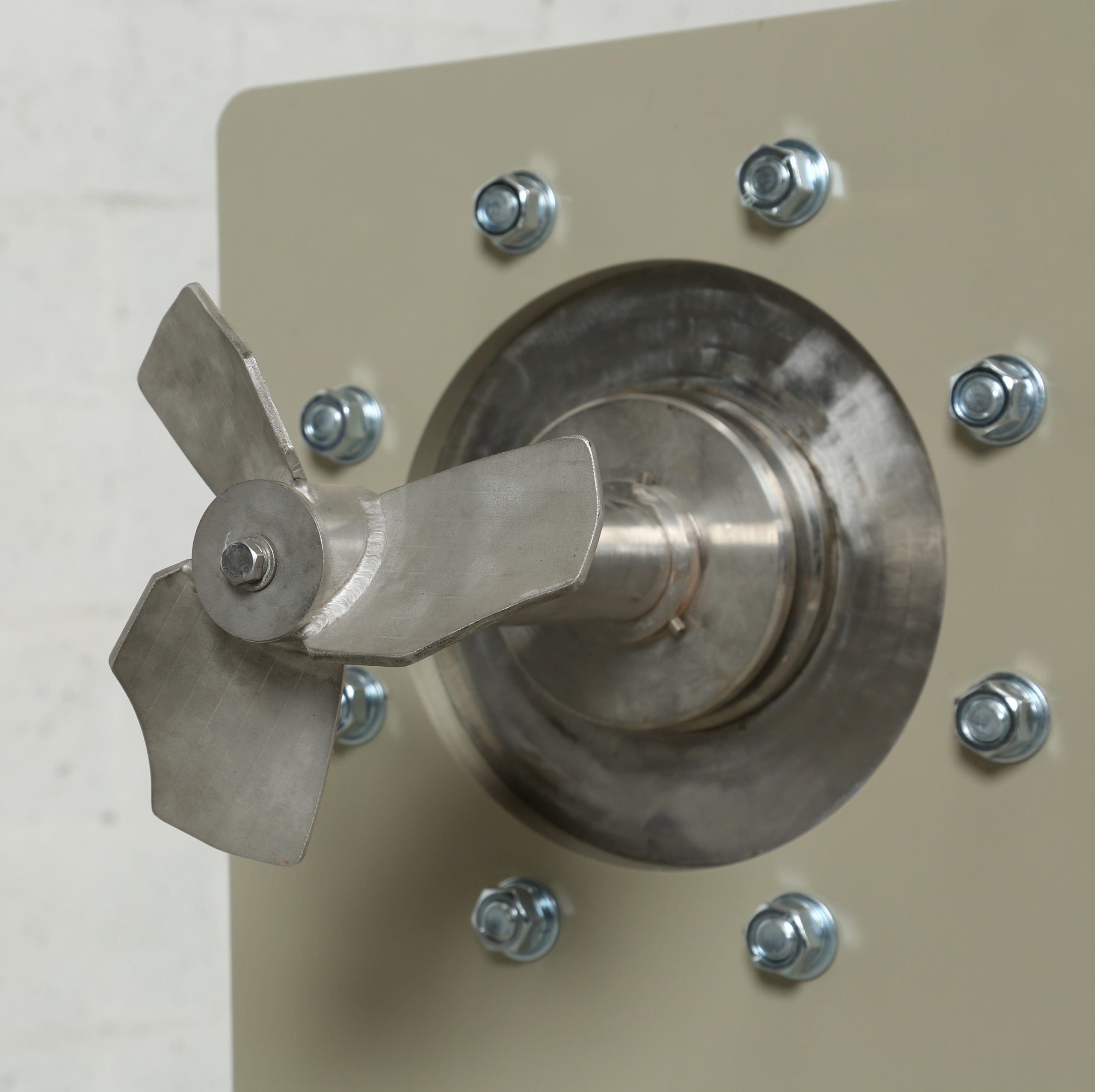
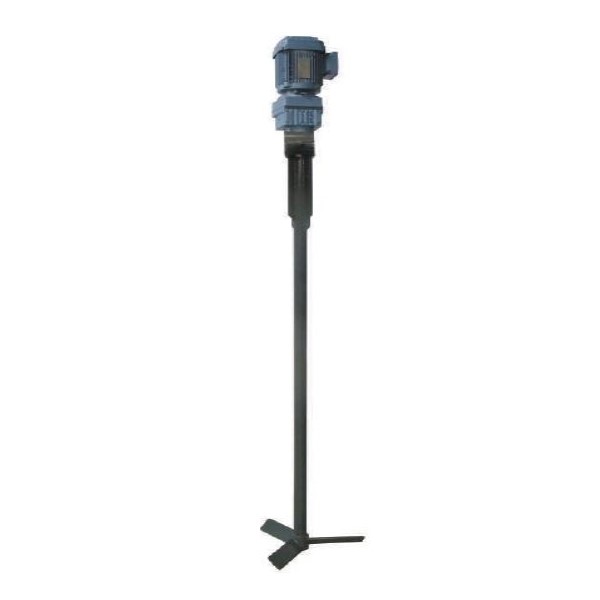
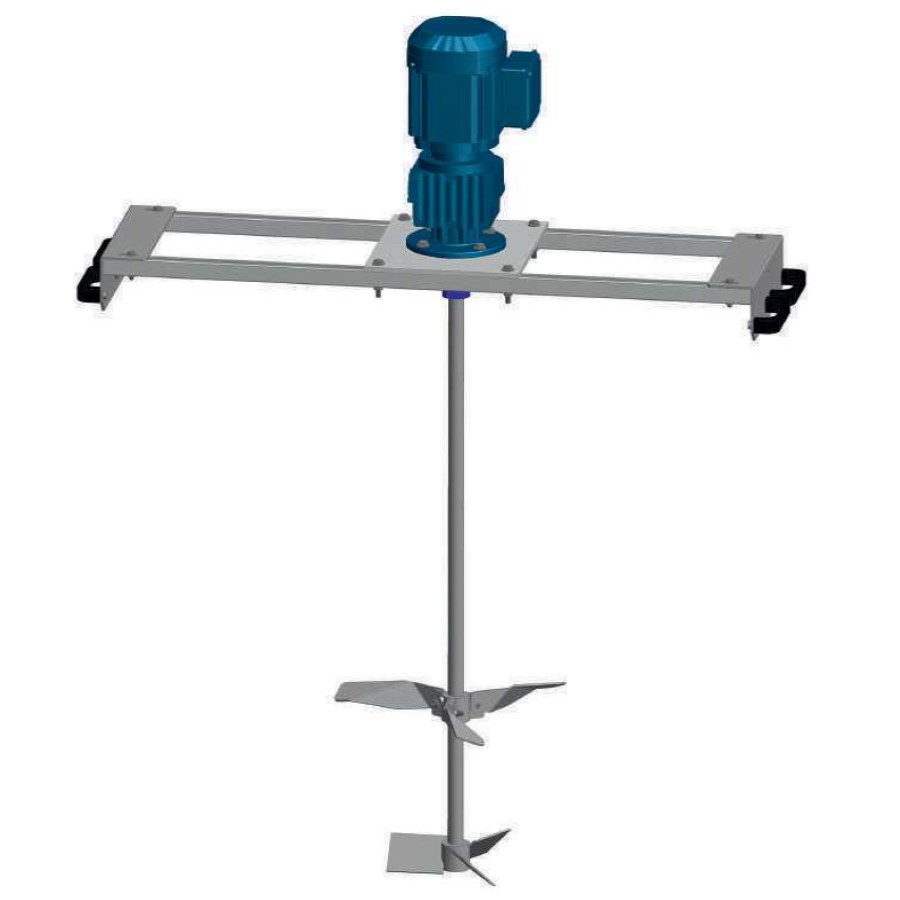
It has a shaft-end impeller and is driven by a double sleeve on the gear shaft. A stuffi ng box or mechanical seal, or both, provide the seal. The type of agitator is determined by the required application: reagent preparations, homogenisation, neutralisation and all types of mixing operations.

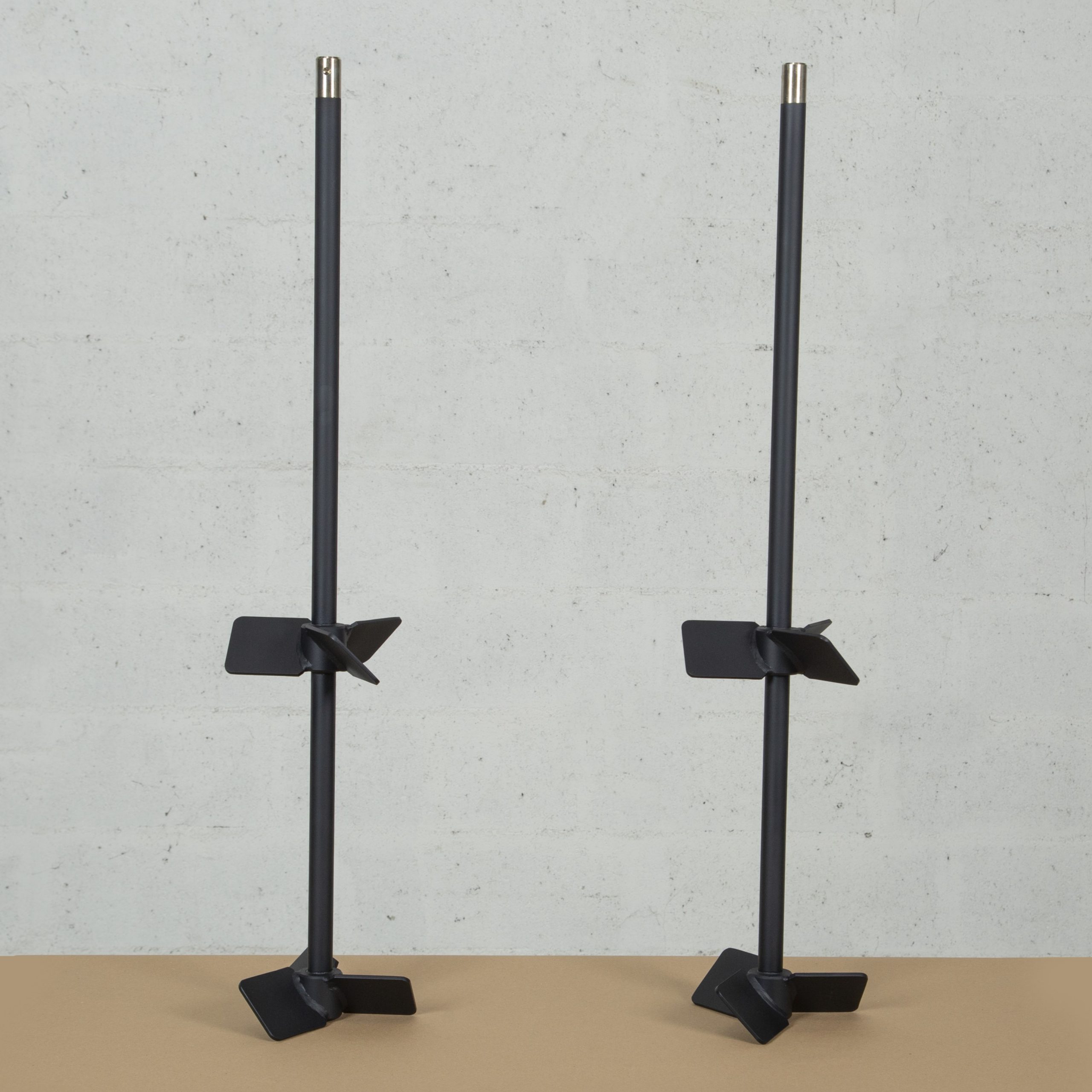
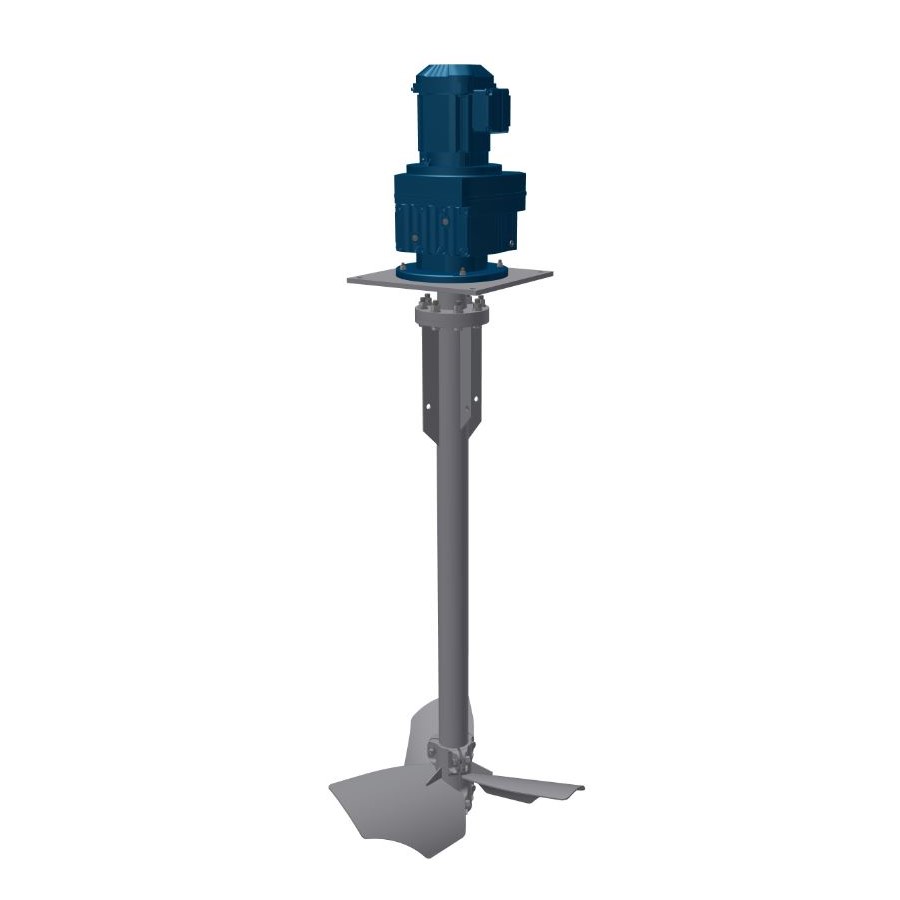
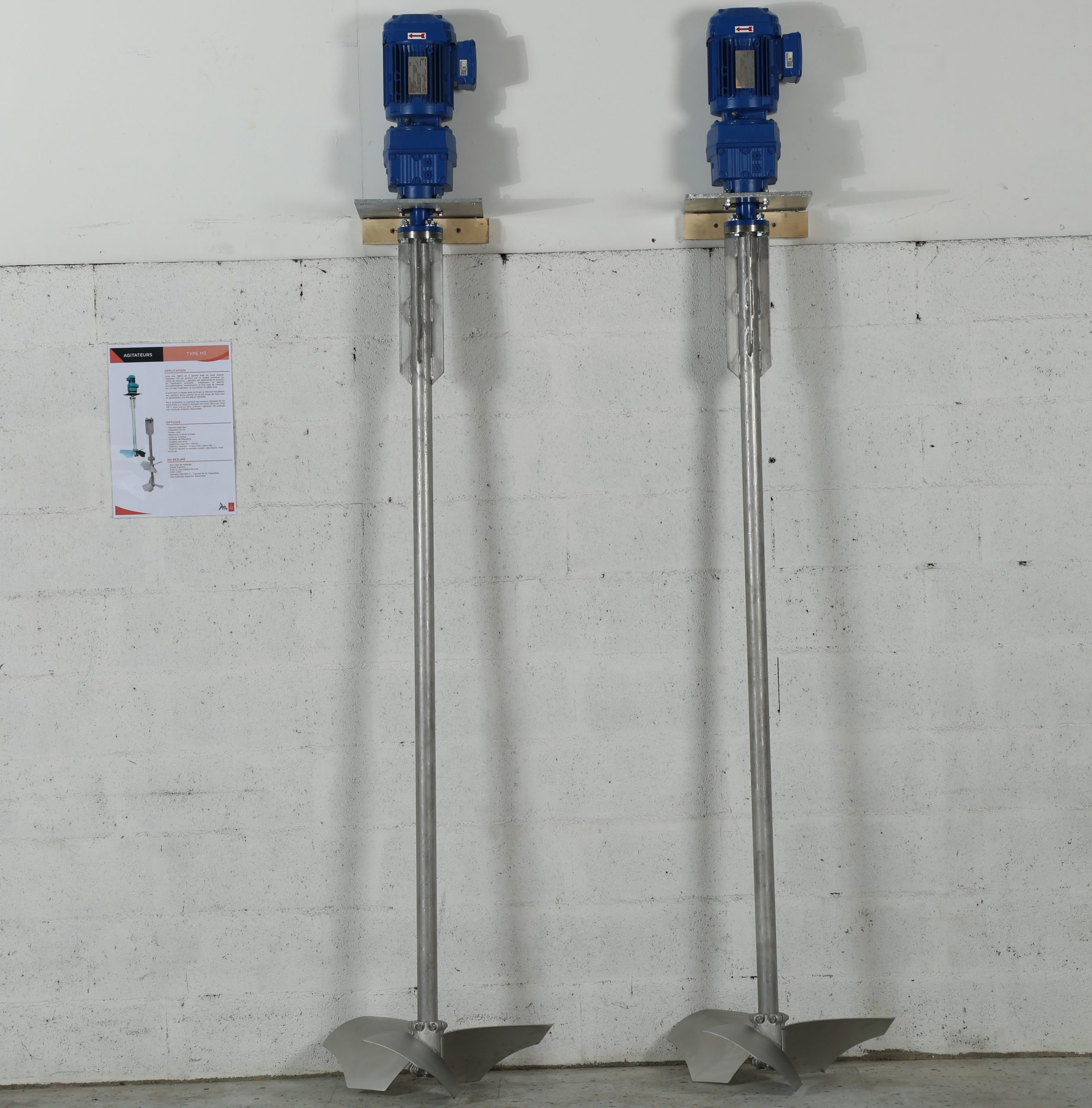
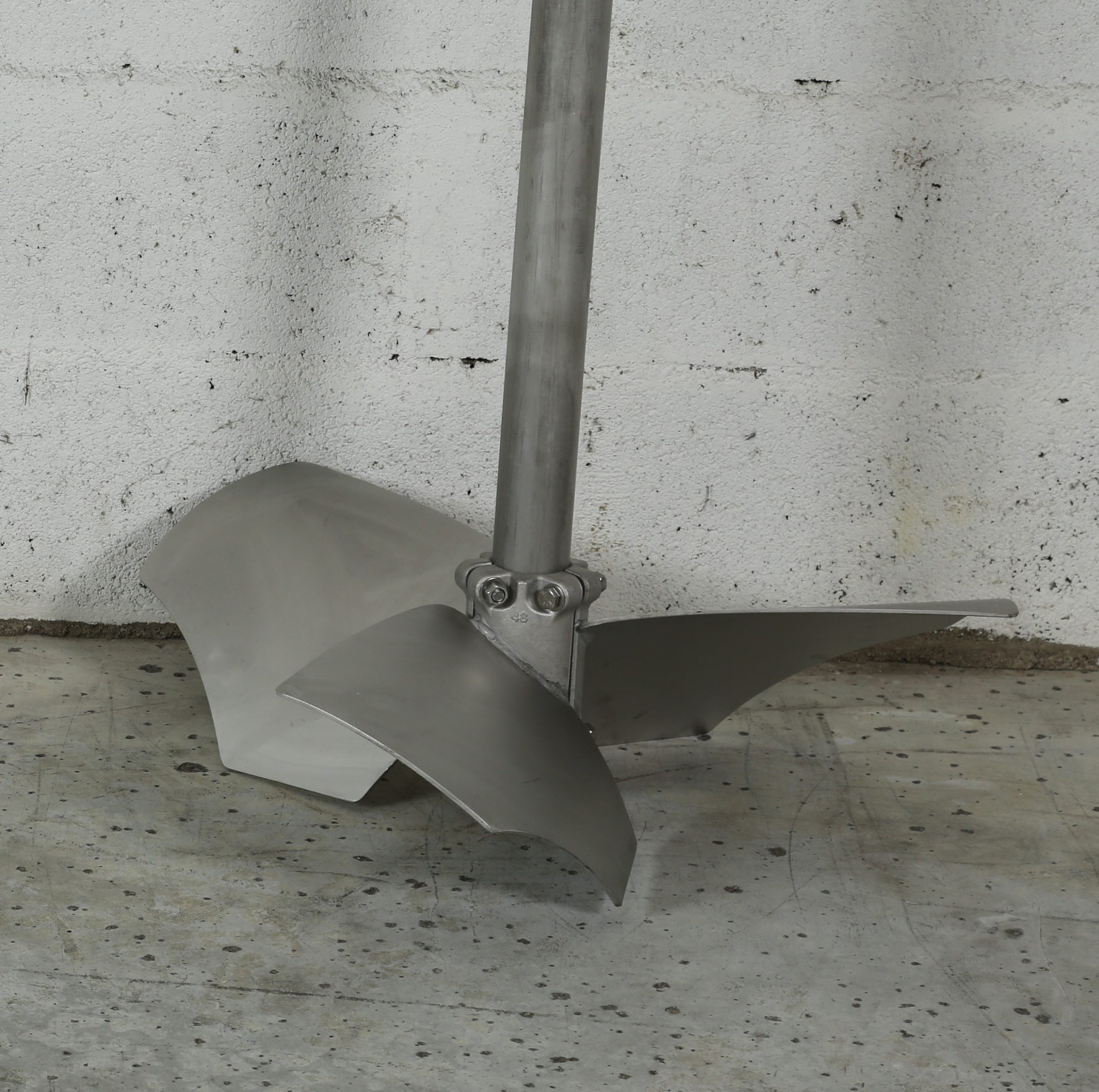
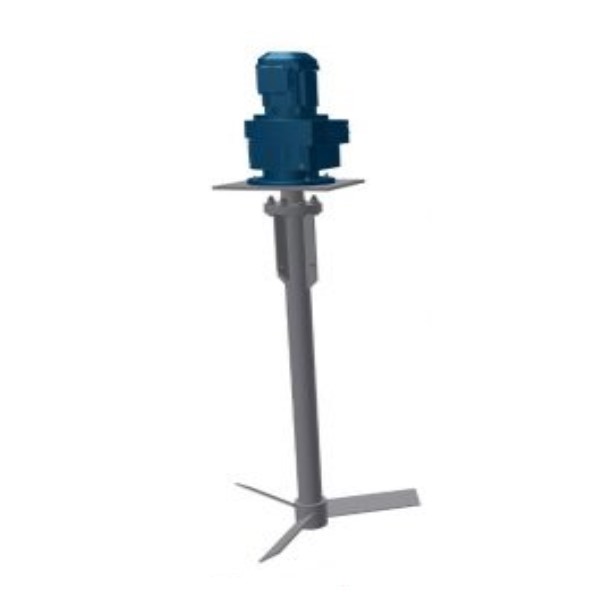
The type of agitator is determined by the required application: reagent preparations, homogenisation, neutralisation and all mixing operations. This type of agitator is mainly used to generate an axial flow
In addition, the M3 fl occulates very well at low speed. Its gentle mixing action avoids breaking up the flocs while ensuring an extremely high level of fl occulation.
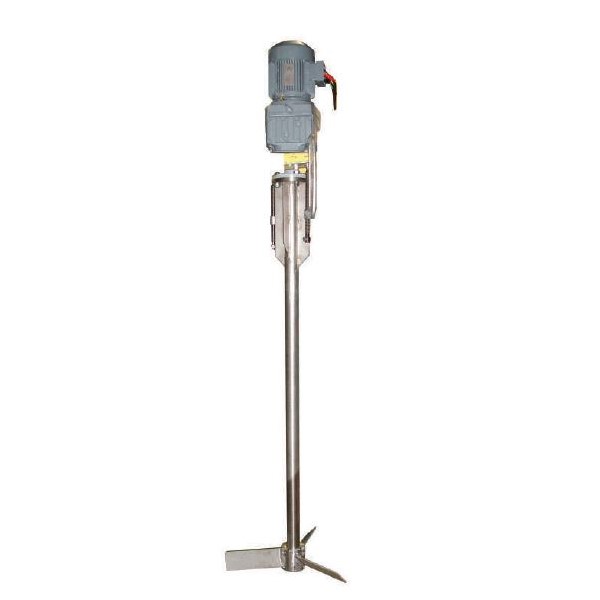
The type of agitator is determined by the required application: reagent preparations, homogenisation, neutralisation and all mixing operations. This type of agitator is mainly used to generate a radial flow; we usually suggest it when a coated agitator is required.

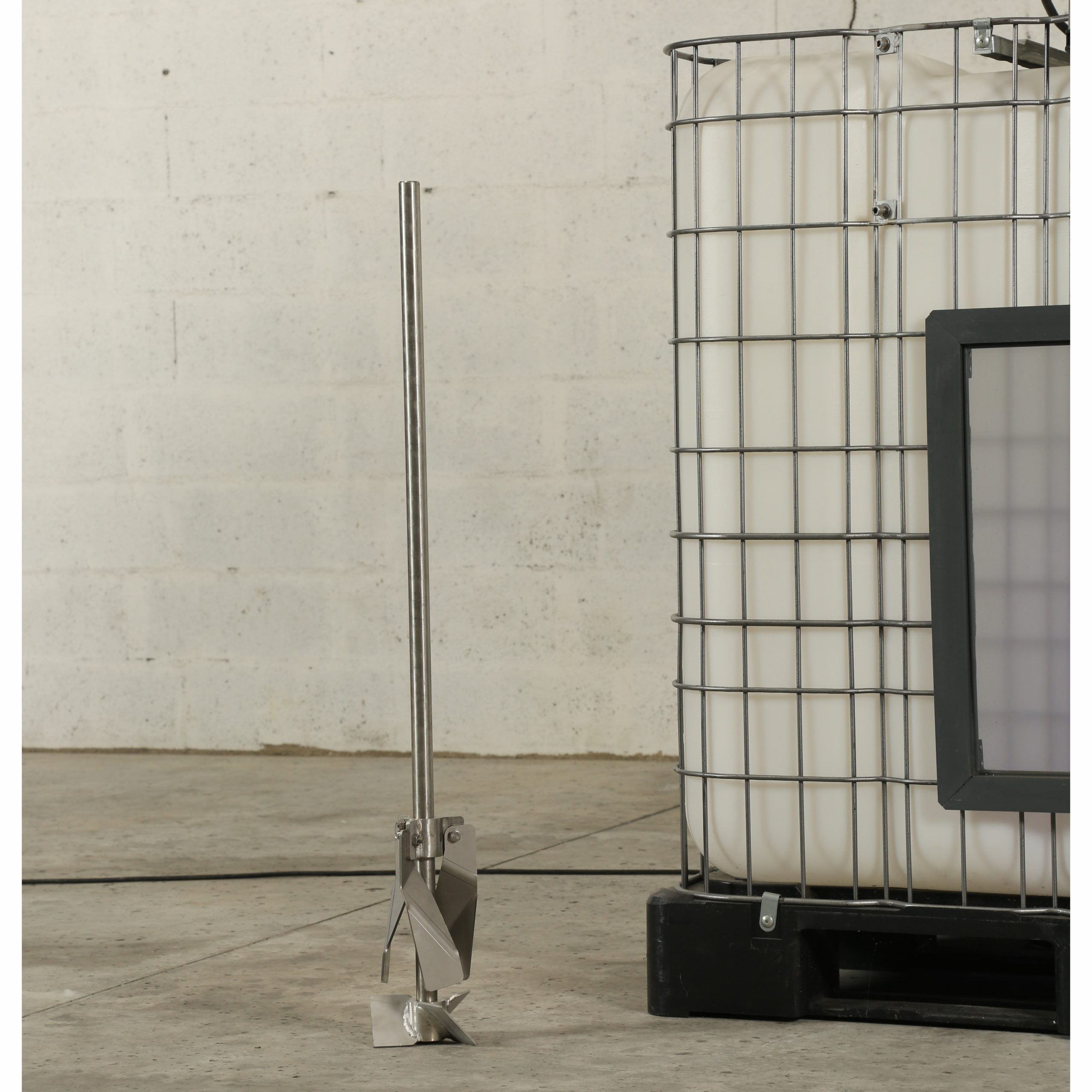
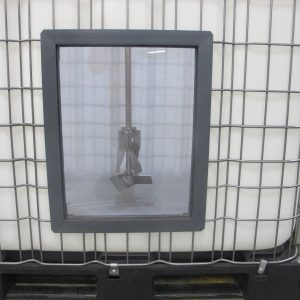
The specially engineered impeller profi le opens out automatically when the shaft begins to turn and folds back when the agitator is switched off . The impeller section fits through a bung diameter of just 115 mm. This agitator is designed for lime slurry IBCs. It features an additional 135 mm turbine impeller on the shaft end to prevent the lime slurry from settling for an optimal homogenous mix.